
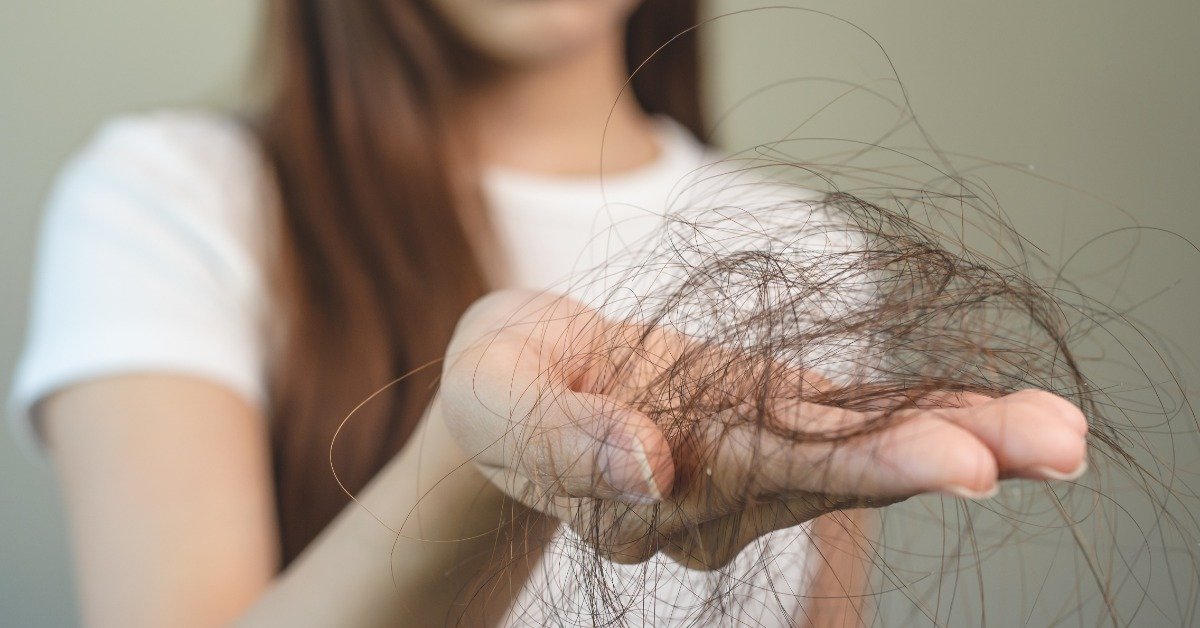
Hair loss often develops gradually, making it difficult to recognize when something has changed. You might notice more hair in your shower drain or realize your usual hairstyle no longer looks quite the same. While everyone loses some hair naturally, certain changes can indicate an underlying problem that deserves attention.
Recognizing the early signs of hair loss gives you more time to understand potential causes and explore appropriate solutions. Whether you experience hereditary thinning, hormonal changes, or another form of hair loss, knowing what to watch for can help you make informed decisions about your hair's future.
Excessive Hair Shedding Throughout the Day
Losing some hair every day is completely normal. Most people shed approximately 50 to 100 hairs daily as part of the natural growth cycle. However, consistently losing noticeably more hair than usual could indicate a problem.
Pay attention to how much hair collects in your brush or shower drain. You might also notice additional strands on your pillowcase or clothing.
Sudden increases in shedding can occur after illness, significant stress, or hormonal changes. If excessive shedding continues for several weeks, consider consulting a dermatologist to identify possible causes.
A Gradually Receding Hairline
A receding hairline often represents one of the earliest signs of hereditary hair loss, particularly among men. Hair typically begins thinning around the temples, gradually creating a more pronounced M-shaped hairline.
However, women can also experience changes around their frontal hairline.
Compare recent photographs with older pictures to identify subtle differences. Changes that develop slowly might escape your attention during everyday grooming.
Not every hairline change indicates progressive baldness. A dermatologist can help distinguish normal maturation from conditions that require further evaluation.

Noticeable Thinning Around the Crown
The crown, or top rear portion of your scalp, commonly experiences thinning during androgenetic alopecia.
Because this area sits outside your usual field of vision, you might overlook early changes. Someone else may notice increased scalp visibility before you recognize the difference.
Use a handheld mirror or take photographs from above to monitor your crown.
Pay particular attention to whether thinning gradually expands. Early evaluation can help determine whether hereditary hair loss or another condition contributes to these changes.
A Widening Hair Part
For many women, a widening hair part provides one of the clearest early indicators of hair loss.
As individual follicles produce thinner strands or fewer hairs, more scalp becomes visible along the part line.
You might notice that your usual part looks wider than it did several months ago.
Try comparing photographs under similar lighting conditions. Consistent photographs make gradual changes easier to recognize.
A widening part frequently accompanies female pattern hair loss, although nutritional deficiencies and hormonal fluctuations can also contribute to thinning.
Changes in Your Hair's Overall Volume
Sometimes hair loss becomes noticeable through reduced volume rather than obvious bald spots.
Your ponytail might feel smaller, or hairstyles that previously looked full may appear flatter. These changes can develop when follicles gradually produce finer hair.
Watch for several common indicators:
Your ponytail circumference decreases noticeably.
Your usual hairstyle requires more effort to create volume.
Your scalp becomes easier to see under bright lighting.
Your hair feels less dense when you run your fingers through it.
Although styling habits can affect volume, persistent changes deserve attention, especially when other symptoms accompany them.
Increasingly Fine or Fragile Hair Strands
Hair thinning doesn't always begin with excessive shedding. Sometimes existing strands gradually become finer through a process called follicular miniaturization.
During this process, affected follicles produce progressively thinner hairs with shorter growth cycles.
You might notice that your hair feels softer, lacks its previous thickness, or struggles to maintain certain styles.
Miniaturization commonly occurs with hereditary hair loss. However, hair breakage from chemical treatments or excessive heat can create similar visual changes.
Understanding the difference helps determine which approach might improve your hair's appearance.
Small Bald Patches Appearing Suddenly
Unlike gradual hereditary thinning, certain conditions cause distinct patches of missing hair.
Alopecia areata, an autoimmune condition, can produce smooth, round bald patches on the scalp. These patches sometimes develop quickly, making them particularly noticeable.
Other conditions, including fungal infections or repeated hair pulling, can also create localized hair loss.
Avoid assuming that every bald patch has the same cause. A dermatologist can examine the affected area and recommend appropriate treatment.
Early assessment becomes especially important when patches expand or additional areas develop.
Persistent Scalp Irritation or Inflammation
Your scalp's condition can provide important clues about your hair's health. Persistent itching, redness, or tenderness sometimes accompanies conditions that contribute to hair loss.
Inflammatory disorders can damage follicles, particularly when symptoms continue without appropriate treatment.
Watch for unusual scaling, painful bumps, or areas that develop sores.
Although ordinary dandruff doesn't necessarily cause permanent hair loss, certain infections and inflammatory conditions require medical attention.
Seek prompt evaluation when scalp discomfort accompanies noticeable thinning, especially if you experience pain or scarring.
Hair Loss Following Hormonal Changes
Hormonal fluctuations can significantly influence hair growth patterns. Pregnancy, childbirth, menopause, and thyroid disorders can all affect the hair growth cycle.
For example, some women notice increased shedding several months after giving birth. Others experience progressive thinning during menopause.
Hormonal changes don't always cause permanent hair loss. However, understanding their effects helps you recognize when symptoms require professional attention.
A healthcare professional can assess whether hormonal imbalances contribute to your changing hair density and recommend appropriate next steps.
Hair Thinning After Illness or Major Stress
Physical illness and significant emotional stress can temporarily disrupt normal hair growth. A condition called telogen effluvium causes more follicles than usual to enter the resting phase.
Consequently, noticeable shedding often begins several months after the triggering event.
Major surgery, high fevers, and substantial weight loss can contribute to this condition. Fortunately, many people experience natural regrowth once their bodies recover.
However, persistent shedding or worsening thinning may indicate another underlying issue. Professional evaluation can clarify whether you need additional treatment.

Changes Around Your Temples and Sideburns
Hair loss doesn't always follow familiar patterns around the crown or central hairline. Some people notice thinning near their temples or sideburns first.
Tight hairstyles can place repeated tension on these areas, contributing to traction alopecia. Certain inflammatory conditions can also affect hair around the face.
Pay attention to broken strands, reduced density, or gradually expanding areas of exposed scalp.
Changing hairstyles may help prevent additional tension-related damage. However, persistent thinning warrants professional evaluation because prolonged follicle damage can become permanent.
When Should You Seek Professional Help?
You don't need to wait until hair loss becomes extensive before seeking advice. A dermatologist can evaluate your scalp, review your medical history, and identify potential causes.
Depending on your symptoms, your dermatologist might recommend blood tests or additional examinations.
Early diagnosis can improve treatment outcomes for certain conditions.
If thinning has already affected your appearance, exploring hair replacement in Los Angeles can also help you understand available nonsurgical cosmetic options.
At Thursday's Hair Solutions, personalized consultations help individuals explore custom hair systems that match their natural color, density, and texture.
These solutions offer an alternative for people who prefer to avoid surgical procedures.
Why Recognizing Hair Loss Early Matters
Early recognition gives you more opportunities to address hair loss before it progresses. Some conditions respond well to medical treatment, while others require ongoing management.
Not every type of hair loss leads to permanent thinning, and no single solution works for everyone. Understanding your individual situation helps you make realistic decisions about treatment and appearance.
Whether you pursue medical care or consider nonsurgical hair replacement, taking action begins with recognizing meaningful changes.
Your hair concerns deserve attention, and professional guidance can help you determine the most appropriate path forward.