
Hair loss affects millions of people, but not every case has the same cause. Alopecia serves as an umbrella term for several conditions that lead to partial or complete hair loss. Each type develops differently, affects different areas of the body, and requires its own approach to diagnosis and treatment. Understanding the differences helps people recognize symptoms earlier and seek appropriate care.
At Thursday's Hair Solutions, many clients come to us with hair loss related to alopecia, hormonal changes, illnesses, behavioral conditions, and other factors. Our focus centers on personalized, non-surgical solutions that help clients restore confidence while addressing their unique needs.
What Does Alopecia Mean?
Alopecia refers to any condition that causes hair loss. It can affect the scalp, eyebrows, eyelashes, beard, or other areas of the body. Some forms cause temporary shedding, while others lead to permanent hair loss if treatment does not begin early enough.
Doctors classify alopecia based on the underlying cause. Some types result from autoimmune disorders. Others develop because of genetics, medical treatments, infections, hormonal changes, or physical damage to the hair follicles.
Understanding which category applies makes treatment decisions much easier.
What Causes Alopecia?
Many different factors contribute to alopecia. Genetics remains one of the most common causes, but it represents only one possibility. Other causes include:
Autoimmune disorders
Hormonal changes
Certain medications
Medical treatments such as chemotherapy
Nutritional deficiencies
Physical or emotional stress
Fungal infections
Tight hairstyles that place constant tension on the scalp
Some people experience more than one contributing factor at the same time. A thorough evaluation often helps identify the primary cause.
What Is Androgenetic Alopecia?
Androgenetic alopecia, often called male or female pattern hair loss, ranks as the most common form of alopecia.
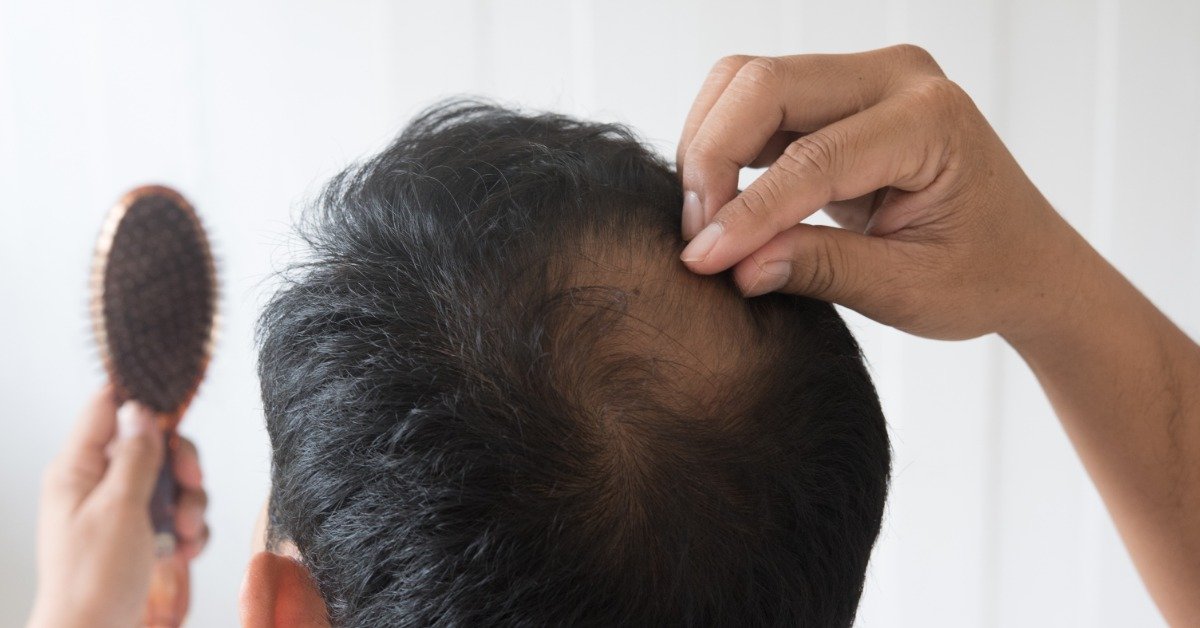
In men, hair usually recedes around the temples before thinning develops at the crown. Over time, these areas may connect and leave only a horseshoe-shaped pattern of hair around the sides and back of the head.
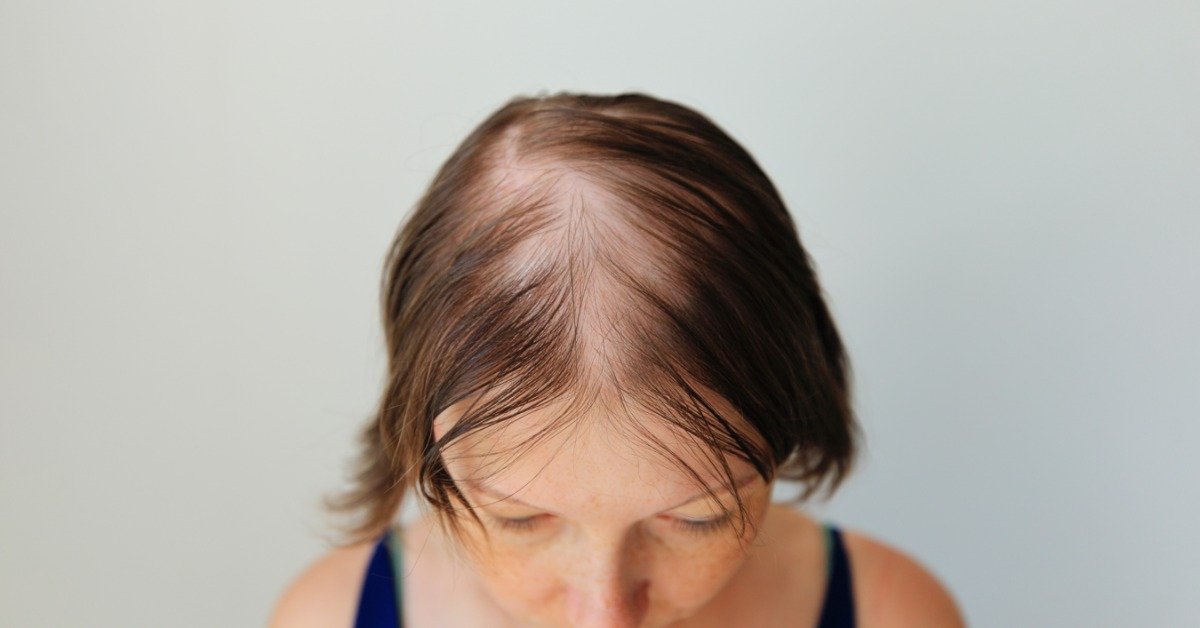
Women typically notice widening along the natural part line or overall thinning across the top of the scalp. Complete baldness occurs much less frequently in women than in men.
Genetics and hormones play the largest roles in androgenetic alopecia. While the condition progresses gradually, early intervention often slows further hair loss.
What Is Alopecia Areata?
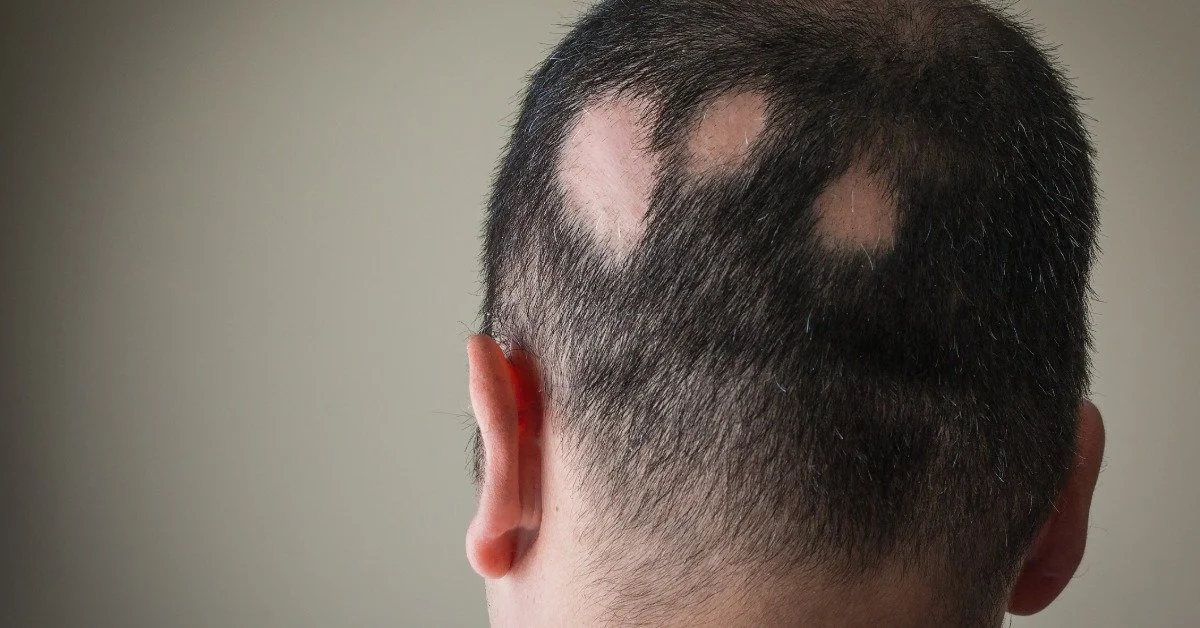
Alopecia areata develops when the immune system mistakenly attacks healthy hair follicles. This autoimmune condition often creates smooth, round patches of hair loss on the scalp.
Some people experience only one patch that later regrows. Others develop multiple patches that appear over several months or years. Hair may regrow naturally before falling out again during another episode.
Researchers continue to study why alopecia areata develops. Family history, genetics, and immune system activity appear to influence its onset.
Although alopecia areata can feel unpredictable, several treatment options may encourage regrowth or help manage cosmetic concerns.
What Is Alopecia Totalis?
Alopecia totalis represents a more extensive form of alopecia areata. Instead of isolated patches, the condition causes complete hair loss across the entire scalp.
The progression may occur gradually or rapidly. Some individuals first develop patchy hair loss before complete scalp hair loss follows.
Hair sometimes returns after treatment or spontaneous remission, although outcomes vary significantly between individuals.
What Is Alopecia Universalis?
Alopecia universalis remains the rarest and most extensive autoimmune form of alopecia.
This condition causes complete hair loss across the entire body, including the scalp, eyebrows, eyelashes, facial hair, and body hair.
Because eyelashes and nasal hair help protect against dust and debris, individuals with alopecia universalis may experience additional practical concerns beyond cosmetic appearance.
Medical professionals often recommend ongoing monitoring because autoimmune conditions sometimes occur together.
What Is Traction Alopecia?
Traction alopecia develops from repeated pulling or tension placed on the hair follicles.
Common causes include:
Tight ponytails
Braids worn continuously
Heavy hair extensions
Tight buns
Certain protective hairstyles worn without breaks
The hairline often shows the earliest signs of thinning.
Early recognition makes an enormous difference. Hair frequently regrows after removing the source of tension before permanent follicle damage develops.
What Is Cicatricial Alopecia?
Cicatricial alopecia, also called scarring alopecia, destroys hair follicles through inflammation.
Unlike many other forms of hair loss, scarring alopecia permanently damages the follicles. Once scar tissue replaces healthy follicles, new hair cannot grow in those areas.
Several inflammatory disorders can cause cicatricial alopecia. Because permanent damage may occur quickly, prompt diagnosis and treatment remain extremely important.
Dermatologists often perform scalp biopsies to confirm this diagnosis.
What Is Telogen Effluvium?
Telogen effluvium causes widespread shedding instead of isolated bald patches.
Normally, hair follicles cycle through growing, resting, and shedding phases. A major physical or emotional stressor can push an unusually large number of hairs into the shedding stage at the same time.
Common triggers include:
High fever
Surgery
Childbirth
Significant illness
Rapid weight loss
Major emotional stress
Certain medications
Many people notice increased shedding several months after the triggering event rather than immediately afterward.
Fortunately, telogen effluvium often improves once the underlying trigger resolves.
What Is Anagen Effluvium?
Anagen effluvium occurs when something interrupts active hair growth.
Chemotherapy serves as the best-known example because it targets rapidly dividing cells, including hair follicles. Radiation therapy and certain medications may produce similar effects.
Hair loss often develops quickly and may affect the scalp, eyebrows, eyelashes, and body hair.
In many cases, hair begins growing again after treatment ends, although texture or color sometimes changes temporarily.
How Do Doctors Diagnose Different Types of Alopecia?
Proper diagnosis requires more than simply observing hair loss.
Healthcare providers often evaluate:
Medical history
Family history
Pattern of hair loss
Scalp condition
Hair pull tests
Blood work when appropriate
Scalp biopsy in certain cases
These steps help distinguish autoimmune conditions from hormonal issues, infections, nutritional deficiencies, and other causes.
Accurate diagnosis creates the foundation for an effective treatment plan.
What Treatment Options Are Available?
Treatment depends entirely on the specific type of alopecia.
Medical options may include topical medications, oral prescriptions, corticosteroid injections, immune-modulating therapies, or treatment for underlying medical conditions.
Lifestyle adjustments may also support healthy hair growth when nutritional deficiencies, stress, or damaging hairstyling practices contribute to hair loss.
For individuals who experience advanced or ongoing hair loss, non-surgical cosmetic options often provide immediate improvements in appearance while medical treatment continues.
At Thursday's Hair Solutions, personalized hair replacement systems offer natural-looking results that match each client's color, density, and texture while allowing everyday activities such as sleeping, showering, and exercising with confidence. We specialize in customized non-surgical solutions for men and women experiencing hair loss from alopecia, hormonal conditions, illness, or behavioral causes.
When Should You Seek Professional Help?
Many people wait until significant hair loss develops before scheduling an evaluation. Earlier intervention often provides more treatment options and may preserve existing hair.
Consider seeking professional advice if you notice:
Sudden or excessive hair shedding
Round or irregular bald patches
A rapidly receding hairline
Persistent scalp irritation or inflammation
Hair breakage accompanied by thinning
Complete loss of eyebrows or eyelashes
Progressive thinning that continues over several months
A professional evaluation helps determine whether the condition requires medical treatment, cosmetic solutions, or both.
Understanding Alopecia Leads to Better Decisions
Alopecia describes a wide range of conditions rather than a single diagnosis. Pattern hair loss, autoimmune disorders, stress-related shedding, traction injuries, and scarring diseases all affect hair follicles differently. Recognizing these distinctions helps people understand what they are experiencing and what treatment options may provide the greatest benefit.
If you notice ongoing hair loss, do not assume every case follows the same pattern. A proper evaluation can identify the specific type of alopecia and open the door to personalized treatment. For many people, combining medical care with non-surgical hair restoration solutions provides the confidence and support needed throughout the hair loss journey.