
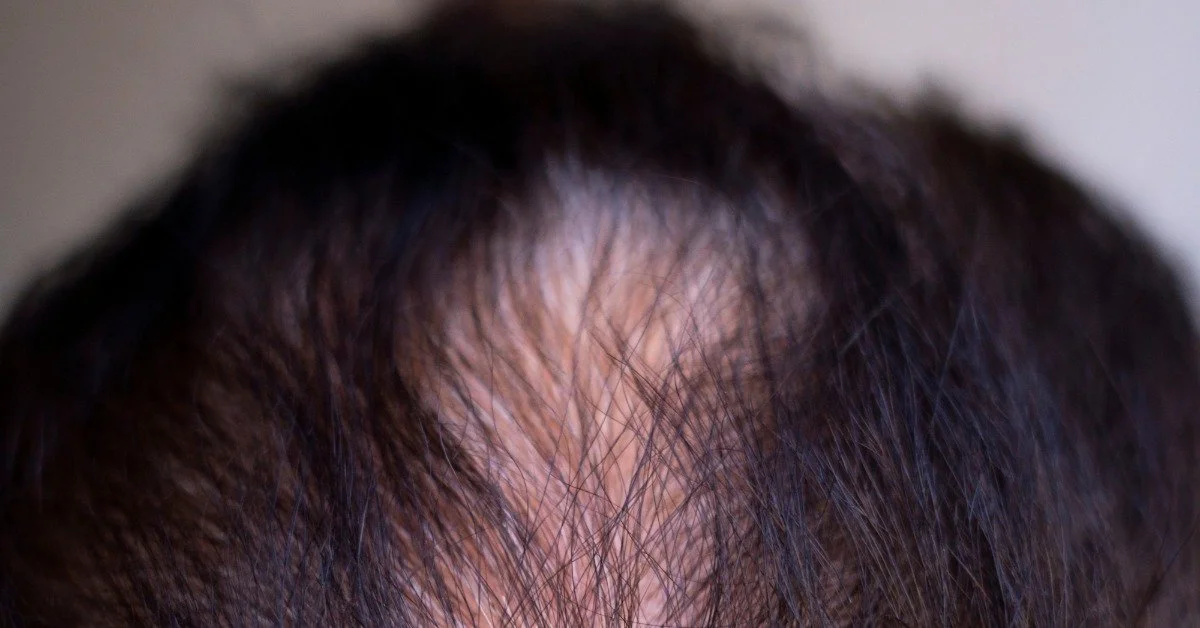
A receding hairline often develops gradually. You may first notice that the hair around your temples looks thinner, your forehead appears larger, or your hairline no longer has the same shape it once did. While a changing hairline commonly occurs with age, several factors can contribute to hair loss around the forehead and temples.
Understanding why your hairline has started to recede can help you determine what to do next. Some people may benefit from changes in hair care or treatment, while others may want a non-surgical solution that restores the appearance of fuller hair.
What Does a Receding Hairline Look Like?
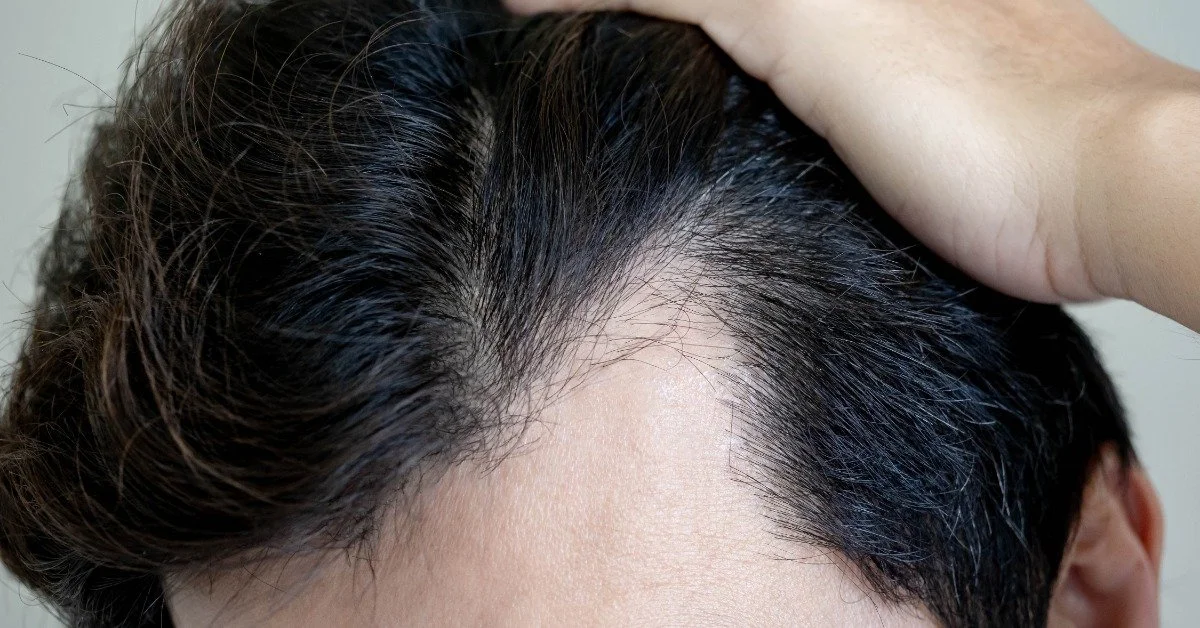
A receding hairline occurs when hair starts thinning or disappearing along the front of the scalp. Many men notice changes near the temples first. As hair loss progresses, the hairline may develop an M-shaped appearance and gradually move farther back.
The exact pattern can vary considerably. Some people experience relatively even recession across the forehead, while others develop deeper thinning around the temples. Hair density elsewhere on the scalp may also change at the same time.
Pay attention to changes rather than comparing your hairline with someone else's. Everyone has a different natural hairline, so your previous density and shape provide the most useful comparison.
Why Does Male Pattern Hair Loss Cause Recession?
Androgenetic alopecia, commonly called male pattern hair loss, ranks among the most common reasons men develop receding hairlines. Genetics and hormones both contribute to this condition.
People with a genetic susceptibility have hair follicles that respond more strongly to dihydrotestosterone, or DHT. Over time, affected follicles produce progressively thinner and shorter hairs. Eventually, some follicles may stop producing visible hair.
Male pattern hair loss often follows recognizable patterns, including recession around the temples and thinning near the crown. The progression can happen slowly over many years.

How Much Does Genetics Affect Your Hairline?
Genetics can strongly influence whether you develop hair loss and how that loss progresses. Hair loss does not come exclusively from one side of your family. Multiple genes can influence your likelihood of experiencing androgenetic alopecia.
Family history can provide useful context, but it cannot predict exactly what your hairline will do. You might experience a different pattern, rate of progression, or degree of thinning than your relatives.
If several family members developed noticeable hair loss, paying attention to early changes may help you recognize your own pattern sooner.
Can Aging Cause Your Hairline To Change?
Hair naturally changes throughout adulthood. Hair growth can slow, individual strands may become finer, and overall density may decrease. These changes can make the hairline look different even without dramatic hair loss.
Some men also develop what people commonly call a mature hairline. The hairline may move slightly higher than it sat during adolescence without progressing into significant baldness.
However, continuing recession, thinning temples, or additional hair loss around the crown may indicate something beyond normal maturation. Tracking changes over time can help you distinguish a stable mature hairline from progressive hair loss.
Can Stress Contribute to Hair Loss?
Significant physical or emotional stress can disrupt the normal hair growth cycle. Illness, surgery, severe emotional strain, major nutritional changes, and other stressful events can sometimes cause increased shedding.
Stress-related shedding often looks more diffuse than classic male pattern hair loss. Instead of affecting only the temples, you may notice reduced density throughout larger areas of your scalp.
Stress can also occur alongside genetic hair loss, which makes identifying the cause more complicated. If you notice sudden or substantial shedding, consider speaking with a qualified healthcare professional who can help identify possible contributing factors.
Can Hairstyles Make a Hairline Recede?
Certain hairstyles can place repeated tension on the follicles around your hairline. Tight braids, ponytails, buns, extensions, and other styles that consistently pull on the same areas may contribute to traction alopecia.
Early traction-related hair loss may improve when you eliminate the tension. Long-term pulling, however, can damage follicles and potentially cause permanent loss.
Watch for warning signs such as tenderness, broken hairs, thinning around areas under tension, or bumps near the hairline. Changing your styling habits early can help reduce additional strain.
Does Hair Care Affect a Receding Hairline?
Ordinary washing and styling do not cause genetic hair loss, but harsh hair care practices can damage strands and make thinning look more noticeable.
Excessive heat, aggressive brushing, repeated chemical treatments, and constant pulling can contribute to breakage. Damaged hair may appear thinner even when the follicles continue producing new growth.
A gentler routine can help protect the hair you currently have. Consider practical habits such as:
Avoiding excessive tension when styling
Limiting unnecessary heat exposure
Handling wet hair gently
Choosing products appropriate for your hair and scalp
Addressing persistent scalp irritation with a professional
These steps cannot reverse genetic hair loss, but they can reduce avoidable damage.
Can Nutrition Affect Hair Growth?
Hair follicles require nutrients to support normal growth. Significant nutritional deficiencies or restrictive diets can sometimes contribute to shedding or changes in hair quality.
Protein, iron, zinc, and several vitamins play roles in normal hair function. However, taking large quantities of supplements does not automatically improve hair growth. Excessive supplementation can sometimes create additional health concerns.
If you suspect a nutritional deficiency, talk with a healthcare professional before starting supplements specifically for hair loss. Testing and professional evaluation can identify whether a deficiency actually exists.
Can You Completely Stop a Receding Hairline?
The answer depends on the cause. If repeated tension or another controllable factor contributes to hair loss, addressing that factor may help prevent additional damage. Genetic hair loss requires a different approach because you cannot change the genes that influence follicle sensitivity.
Early evaluation gives you more information about your options. A dermatologist or another qualified medical professional can examine your scalp, discuss your family and health history, and determine whether medical treatment deserves consideration.
Stopping progression and restoring your previous density also represent two different goals. Even when a treatment slows additional loss, it may not fully restore an established receding hairline.
What If You Want Fuller Hair Without Surgery?
Not everyone wants medication or surgical solutions for hair loss. Some men primarily want to restore the appearance of a natural, full head of hair without undergoing a surgical procedure.
A professionally designed non-surgical hair replacement system for men can provide immediate cosmetic coverage for a receding hairline, extensive thinning, or more advanced hair loss. Custom systems can match your natural hair's color, density, and texture so the finished result blends seamlessly with the hair you still have.
Modern systems can also support an active lifestyle. Thursday's Hair Solutions designs systems for continuous wear, allowing clients to sleep, shower, exercise, and continue their normal routines with confidence.
When Should You Get Help for a Receding Hairline?
You do not need to wait until hair loss becomes extensive before exploring your options. If your changing hairline bothers you, an early conversation can help you understand what you see and determine which next steps align with your goals.
Medical professionals can investigate potential health-related causes when necessary. Hair replacement specialists can discuss cosmetic options for people who want immediate fullness without surgery.
Thursday's Hair Solutions works with men and women experiencing thinning hair, receding hairlines, pattern hair loss, alopecia, and hair loss related to behavioral, hormonal, or illness-related factors. Complimentary, no-obligation consultations allow clients to discuss their hair loss and explore personalized options before making a decision.
Finding the Right Approach for Your Hairline
A receding hairline does not have one universal cause or solution. Genetics may drive the change for one person, while tension, stress, health factors, or other circumstances may contribute for another. Identifying the likely cause gives you a stronger foundation for deciding what comes next.
Protecting your existing hair, avoiding unnecessary tension, maintaining balanced nutrition, and seeking professional advice when you notice significant changes can all play useful roles. When regrowth or medical treatment does not meet your goals, customized non-surgical hair replacement can restore the appearance of natural density without requiring surgery.