
What Women Need To Know About Hair Loss Due to Menopause
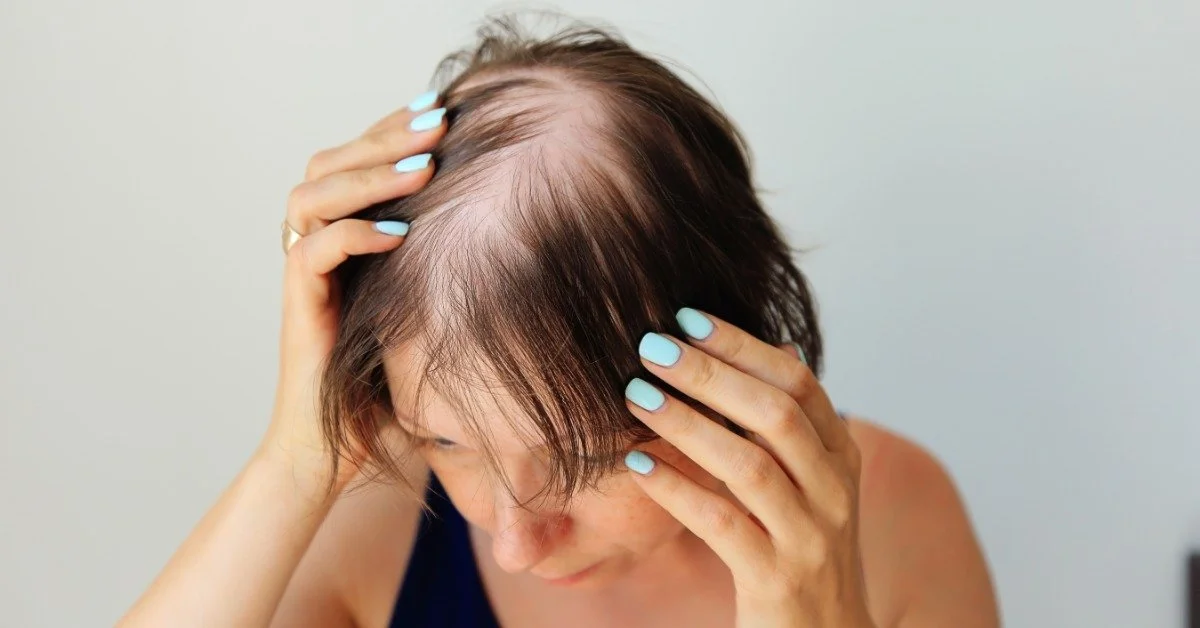
Menopause can bring changes that affect nearly every part of the body, including the hair and scalp. Many women first notice that their ponytail feels thinner, their part looks wider, or more strands collect in the shower. These changes can feel frustrating, especially when they happen alongside other menopause symptoms.
Hormonal changes can influence hair growth, but menopause does not cause every case of thinning hair. Genetics, nutrition, stress, health conditions, medications, and hair-care habits can also contribute. Understanding what happens to your hair during this stage of life can help you identify changes early and explore solutions that fit your needs.
Why Can Menopause Cause Hair Loss?
Hair follicles respond to hormonal activity. During the transition into menopause, estrogen levels fluctuate and eventually decline. These hormonal shifts can affect the normal hair growth cycle and influence the thickness, texture, and density of hair.
Estrogen helps support the growth phase of the hair cycle. As estrogen levels decline, some women may notice that their hair spends less time actively growing. Individual strands may also become finer.
At the same time, changes in the balance between estrogen and androgens can contribute to thinning in women who have a genetic tendency toward female pattern hair loss.
When Can Menopause-Related Hair Changes Begin?
Hair changes do not necessarily begin after your final menstrual period. Perimenopause can start years before menopause, and hormonal fluctuations during this transition can affect hair growth.
Some women notice subtle thinning in their 40s, while others experience noticeable changes later. Because hair grows slowly, changes within the follicles may take months before they become obvious.
Paying attention to gradual changes can help you recognize a pattern rather than waiting until significant thinning develops.
What Does Menopausal Hair Loss Look Like?
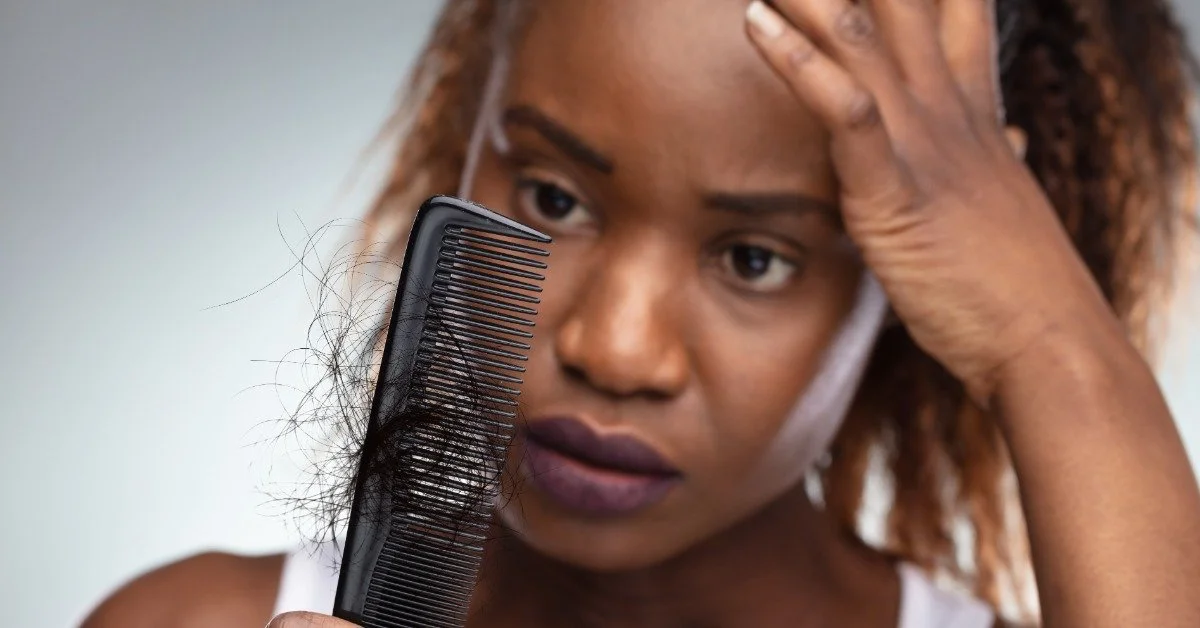
Women often experience hair loss differently than men. Rather than developing completely bald areas, many women notice diffuse thinning across the scalp or greater visibility along their part.
Common signs include:
A wider center or side part
A smaller or thinner ponytail
Increased scalp visibility
Finer individual strands
More shedding during washing or brushing
Reduced volume around the crown
Thinning near the temples or frontal scalp
These signs can develop gradually, which makes photographs helpful for tracking changes over several months.
Is Female Pattern Hair Loss Common After Menopause?
Female pattern hair loss commonly appears during midlife and becomes more prevalent after menopause. Genetics strongly influence this condition, while hormonal changes may also play a role.
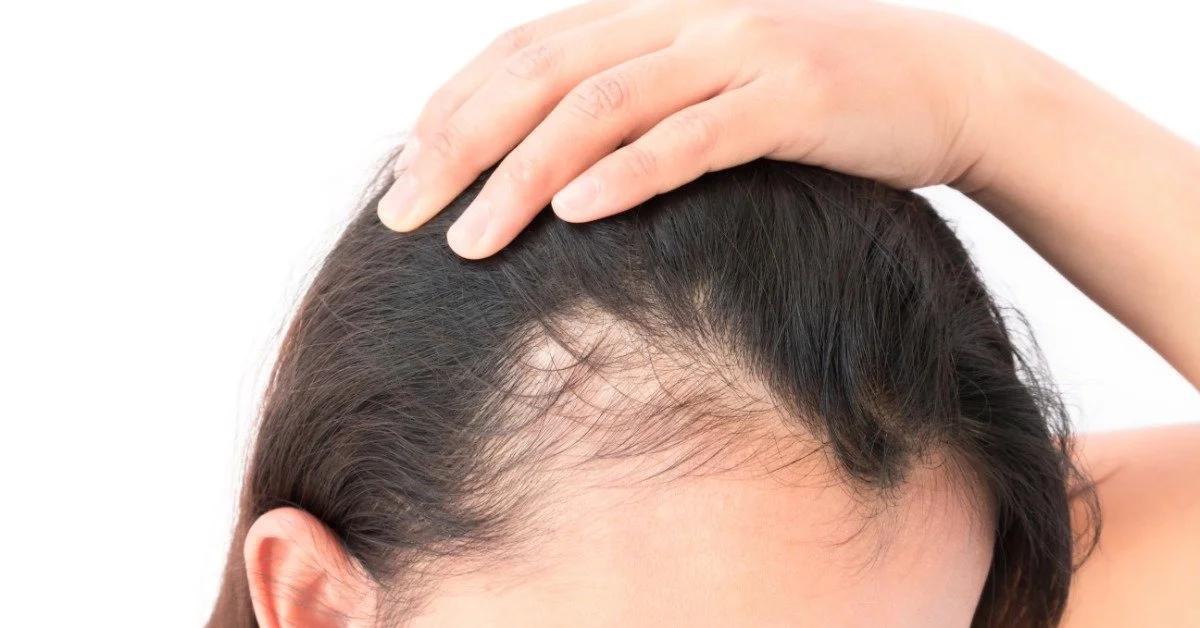
Women with female pattern hair loss often notice progressive thinning around the top and crown of the scalp. The center part may gradually widen as individual follicles produce finer hairs.
Female pattern hair loss can continue progressing without treatment. For that reason, women who notice ongoing thinning should consider discussing the problem with a dermatologist or another qualified healthcare professional.
Can Menopause Cause Sudden Hair Shedding?
Not all menopause-related hair concerns involve gradual thinning. Some women experience telogen effluvium, which causes increased shedding when a larger-than-normal number of follicles enter the resting stage of the growth cycle.
Hormonal fluctuations can contribute to this condition, but other triggers include illness, major stress, rapid weight loss, nutritional deficiencies, and certain medications.
Telogen effluvium often causes shedding throughout the scalp rather than creating one distinct thinning area. Identifying and addressing the underlying trigger can help determine the appropriate next steps.
Could Something Besides Menopause Cause Your Hair Loss?
It can feel natural to blame new hair loss on menopause when both occur around the same time. However, women should avoid assuming hormones explain every change.
Thyroid disorders, anemia, nutritional deficiencies, autoimmune conditions, scalp disorders, medications, and significant stress can contribute to hair loss. Some conditions also require early treatment to protect existing follicles.
A healthcare professional can evaluate your medical history, symptoms, scalp, medications, and other factors. They may recommend bloodwork or additional testing when necessary.
How Does Hair Texture Change During Menopause?
Menopause can affect more than density. Women may notice that their hair feels drier, finer, more brittle, or harder to style than it did previously.
Changes in strand diameter can reduce overall volume even when dramatic shedding does not occur. Hair may also break more easily, which can make existing thinning look more noticeable.
Gentle handling becomes particularly important during this period. Limit excessive heat, aggressive brushing, harsh chemical processing, and hairstyles that continuously pull against the follicles. These changes cannot correct hormonal hair loss, but they can help protect the hair you currently have.
Does Nutrition Matter for Hair Health?
Hair follicles need adequate nutrients to support normal growth. Restrictive diets or nutritional deficiencies can contribute to shedding and may compound hair changes that occur during menopause.
Protein, iron, zinc, vitamin D, and other nutrients all contribute to normal body functions that support healthy hair. However, taking supplements without knowing whether you have a deficiency may not solve the problem.
Instead of assuming a popular hair supplement will restore density, discuss persistent shedding with your healthcare provider. Testing can help identify deficiencies and allow you to address your specific nutritional needs appropriately.
Can Stress Make Menopausal Hair Loss Worse?
Menopause often coincides with other changes in sleep, mood, family responsibilities, careers, and overall health. Significant physical or emotional stress can disrupt the hair growth cycle and trigger increased shedding.
Stress management will not reverse every form of hair loss, especially genetic female pattern hair loss. However, managing ongoing stress supports overall wellness and may reduce one potential contributor to excessive shedding.
Regular exercise, adequate sleep, balanced nutrition, relaxation techniques, and professional mental health support can all form part of a broader wellness strategy.
What Medical Treatments Can Women Consider?
Treatment depends on the cause of the hair loss. That makes an accurate diagnosis an important first step.
Dermatologists frequently recommend minoxidil for female pattern hair loss. Other medical approaches may include prescription medications, low-level laser treatments, platelet-rich plasma procedures, or other therapies depending on a woman’s diagnosis and medical history.
Women should discuss treatment benefits, risks, medication interactions, and expectations with a qualified healthcare professional. Hair grows slowly, so most treatments require consistent use and patience before noticeable improvements appear.
What if You Want Immediate Cosmetic Improvement?
Medical treatments focus on supporting hair growth or slowing additional loss, but they cannot always provide the density someone wants. Even successful treatments can require several months before visible changes develop.
Women who want a fuller appearance without undergoing surgical solutions for hair loss can explore customized hair systems. Non-surgical hair replacement for women can provide immediate coverage and allow women to choose a look that complements their existing hair.
A professionally designed system can match natural hair in color, density, and texture. This approach can help women address significant thinning while maintaining flexibility over their appearance.
How Can Hair Loss Affect Confidence During Menopause?
Hair often plays a meaningful role in personal identity and self-expression. When its appearance changes unexpectedly, women may experience stress, anxiety, frustration, or reduced confidence.
Those feelings deserve attention. Hair loss may involve a physical process, but its emotional effects can matter just as much.
Women do not need to wait until thinning becomes severe before exploring their options. Speaking with healthcare professionals and experienced hair-loss specialists can provide clarity and help make the situation feel more manageable.
When Should You Seek Professional Help?
Consider seeking professional advice when you notice persistent shedding, progressive thinning, scalp discomfort, bald patches, eyebrow loss, or other significant changes. Early evaluation can help distinguish menopause-related changes from medical conditions that require specific treatment.
You can also consult a hair-loss specialist when thinning affects your confidence or when you want to explore cosmetic solutions alongside medical care.
Menopause can change your hair, but it does not eliminate your options. Understanding the cause, protecting your existing hair, discussing medical concerns with qualified professionals, and exploring personalized hair solutions can help you choose an approach that matches your lifestyle, priorities, and desired appearance.