
How To Cope With the Emotional Toll of Hair Loss
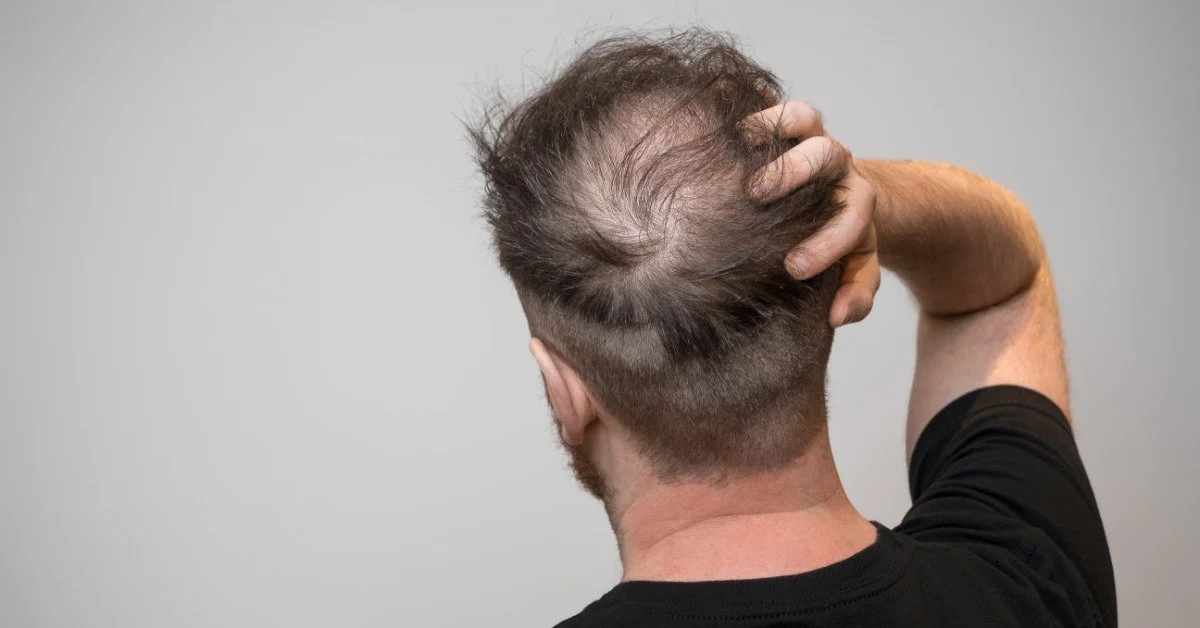
Hair loss can affect much more than your appearance. For many people, changes in hair density, coverage, or the hairline can influence confidence, self-image, and comfort in social situations. These feelings can arise whether hair loss happens gradually or appears suddenly.
People experience hair loss for many reasons, including hormonal changes, illness, pattern hair loss, alopecia, and behavioral conditions. While finding a practical hair solution may help, caring for your emotional well-being also matters. Understanding your reactions and finding healthy ways to manage them can make hair loss feel less overwhelming.
Recognize That Hair Loss Can Affect Your Self-Image
Hair often plays a significant role in how people see themselves. You may associate a particular hairstyle with your personality, age, attractiveness, or personal style. When your hair starts changing, your perception of yourself can change with it.
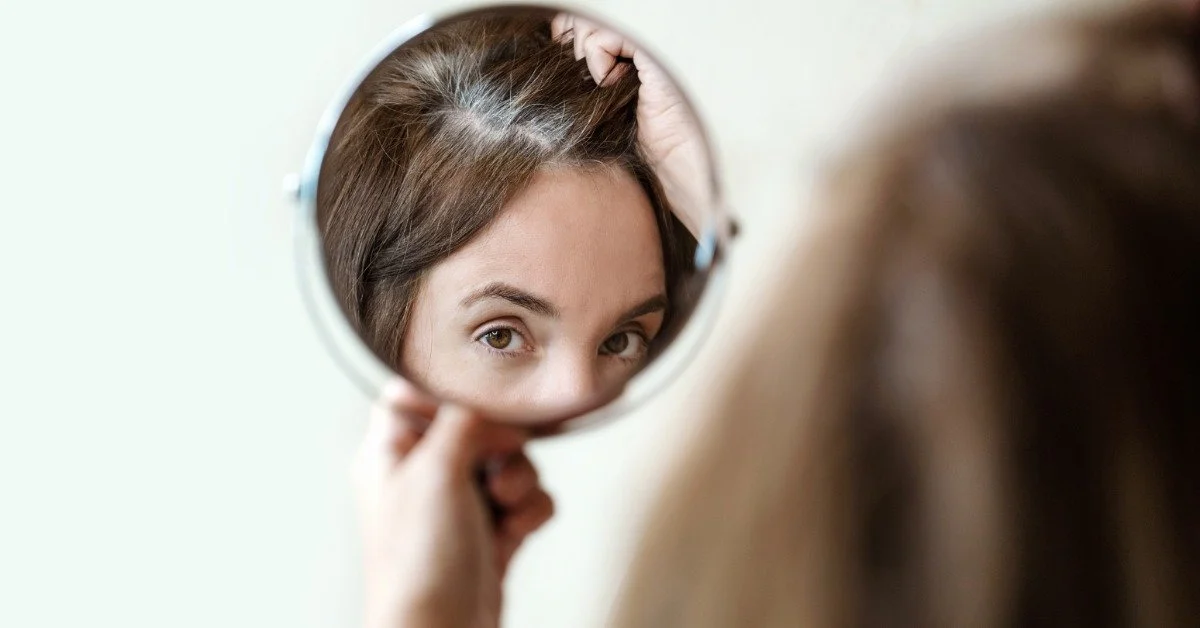
You might focus on your hair every time you look in the mirror or compare current photos with older ones. Recognizing this response can help you understand why hair loss carries such emotional weight. Instead of dismissing your feelings as superficial, acknowledge that a visible change to your appearance can naturally require an adjustment period.
Give Yourself Time To Process the Change
People do not always adjust to hair loss immediately. You may feel frustrated one day and relatively comfortable the next. Trying to force yourself to feel confident can sometimes create additional pressure.
Give yourself room to process what has changed. Hair loss may bring sadness, anger, uncertainty, or embarrassment. Naming those emotions can help you understand what specifically bothers you. For example, you might discover that you worry less about the hair loss itself and more about other people noticing or asking questions.
Learn More About What Causes Hair Loss
Uncertainty can make hair loss feel even more stressful. Learning about the possible causes can help you approach the situation with clearer expectations.
Hair loss can result from genetics, hormonal changes, certain illnesses, stressors, medications, nutritional concerns, or conditions that affect the scalp and follicles. Some forms of hair loss progress gradually, while others develop more quickly.
Consider speaking with an appropriate medical professional when you notice unexplained or significant hair loss. Understanding what contributes to the change can help you determine which options make sense for your circumstances.

Avoid Measuring Your Worth by Your Hair
Hair can influence appearance, but it does not determine your value. That distinction may sound simple, yet remembering it can prove difficult when hair loss affects something you have always considered part of your identity.
Pay attention to the way you speak to yourself. If every thought about your appearance becomes negative, challenge that pattern. Focus on qualities that have nothing to do with hair, such as your relationships, abilities, interests, accomplishments, humor, or creativity.
You do not need to pretend that hair loss does not matter to you. Instead, keep it from becoming the only feature you notice about yourself.
Limit Habits That Increase Hair Loss Anxiety
Hair loss can encourage repetitive habits that increase stress. You might inspect your scalp several times each day, count hairs in the shower, constantly photograph your hairline, or repeatedly compare your appearance with other people.
These behaviors can keep your attention fixed on the issue without providing useful information. Consider setting reasonable limits around how often you check your hair.
Some habits that may help include:
Taking progress photos only at planned intervals
Avoiding repeated mirror checks throughout the day
Limiting online searches that increase anxiety
Tracking meaningful changes instead of daily fluctuations
Focusing on factors that you can actually control
Creating boundaries around these behaviors can give your mind a break from constantly evaluating your appearance.
Talk About Hair Loss With Someone You Trust
Keeping your concerns entirely to yourself can make them feel larger. Consider talking with a trusted friend, partner, family member, counselor, or other supportive person.
You do not need someone to solve the problem for you. Sometimes explaining what bothers you can help you organize your thoughts and feel less isolated.
Tell the person what type of support you need. You might want advice, or you might simply want someone to listen. Clear communication can prevent well-intentioned comments from making you feel dismissed or misunderstood.
Prepare for Questions and Comments
Other people may notice a change in your hair, especially if it happens quickly. You do not owe anyone a detailed explanation about your appearance or health.
Deciding ahead of time how you want to respond can make unexpected questions less stressful. You can provide a brief answer, change the subject, or tell someone that you would rather not discuss it.
Having a response ready gives you greater control over the conversation. It can also reduce the anxiety that comes from wondering what you will say if somebody mentions your hair.
Explore Solutions That Match Your Priorities
Some people feel comfortable allowing their hair loss to remain visible. Others prefer to change their hairstyle, use cosmetic products, wear a hair system, or investigate other options. No single response works for everyone.
Think about what would make you feel most comfortable in everyday life. If you want a treatment for hair loss and thinning hair, explore your choices carefully and consider factors such as appearance, maintenance, comfort, lifestyle, cost, and your goals.
Non-surgical hair systems offer another option for people who want immediate cosmetic coverage without undergoing a surgical procedure. Thursday’s Hair Solutions focuses specifically on non-surgical options for men and women experiencing hair loss.
Choose a Solution That Fits Your Lifestyle
A hair solution should support your everyday routine rather than constantly interrupt it. Think about your work schedule, exercise habits, travel, hobbies, grooming preferences, and desired appearance.
Custom hair systems, for example, can match a person's natural color, density, and texture. Some systems also support continuous wear, including during sleeping, showering, and exercise.
Understanding maintenance requirements also helps you set realistic expectations. Thursday’s notes that its systems require periodic servicing, which includes removing and cleaning the system, washing and cutting the client's natural hair, and reapplying the system. Knowing what a solution requires before choosing it can reduce uncertainty later.
Focus on the Parts of Your Appearance You Can Control
When hair loss feels unpredictable, taking control of other aspects of your appearance can help restore a sense of normalcy. You might experiment with clothing, facial hair, accessories, makeup, or a different hairstyle.
The goal does not need to involve hiding hair loss. Instead, focus on creating an overall appearance that feels familiar and comfortable to you.
Small changes can shift your attention away from what you believe you have lost and toward the choices you can still make. That sense of control can matter when hair loss otherwise feels outside your influence.
Consider Professional Emotional Support
Sometimes hair loss causes distress that becomes difficult to manage alone. If worries about your appearance regularly interfere with relationships, work, social activities, sleep, or daily routines, consider speaking with a qualified mental health professional.
A counselor or therapist can help you identify unhelpful thought patterns, develop coping strategies, and work through changes to your self-image. Seeking emotional support does not mean you have overreacted to hair loss. It simply gives you another resource for managing a significant personal change.
Build Confidence Around What Feels Right for You
Coping with hair loss does not require one particular attitude or solution. You can acknowledge that losing your hair bothers you while still building a positive relationship with your appearance. You can also pursue a hair solution without allowing hair loss to define you.
Focus on choices that make daily life more comfortable and help you feel like yourself. Learn about your options, seek appropriate support, maintain the activities you enjoy, and give yourself time to adapt.
Hair loss may change part of your appearance, but you still control how you respond to that change. With practical options, supportive people, and healthy coping strategies, you can move forward while protecting both your confidence and emotional well-being.